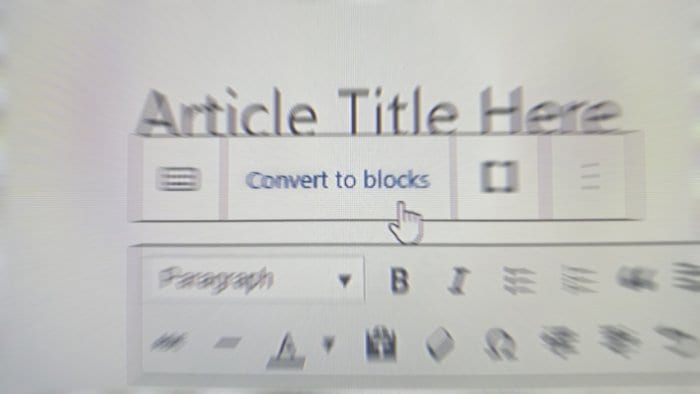
The Gutenberg Editor is coming and the Classic Editor’s days are numbered. But the transition between these generations of editors won’t be smooth. There are plenty of technical hurdles and perhaps, converting the old format to the so-called ‘blocks’ is more frustrating than you might expect.
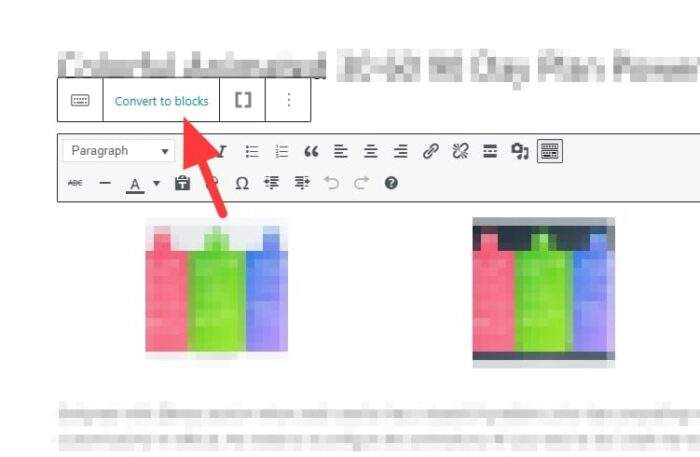
WordPress has added a ‘Convert to blocks’ button that in theory ensures the migration would run smoothly. But sometimes this button isn’t working — it did nothing. So, why did this happen, and how to fix it?
After some trials, I found the answer for that question. If you have the same problem, follow the guide below!
1. Go to the article you want to convert to Gutenberg, then click Options.
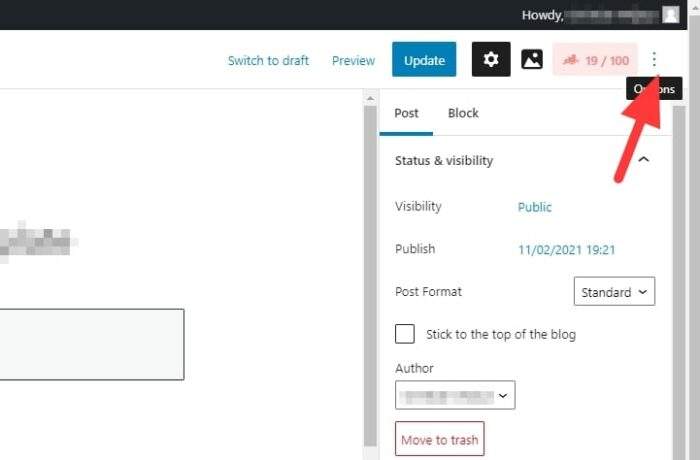
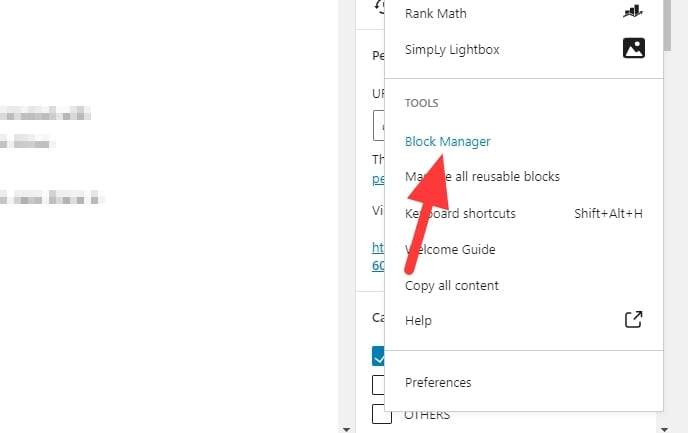
2. Select Block Manager.
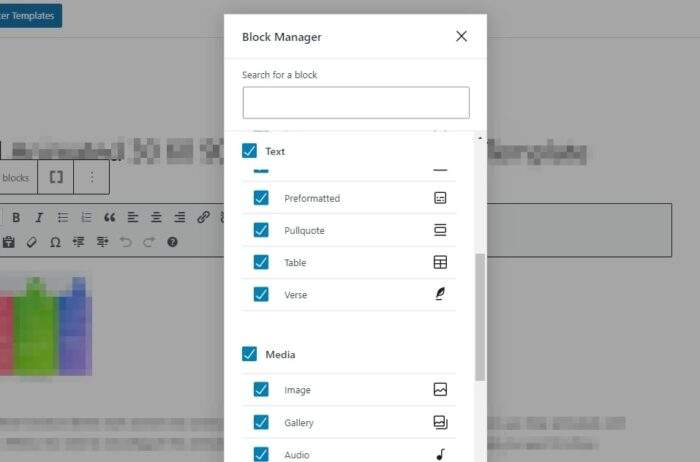
3. Enable all blocks then hit the close icon.
4. Now, try to hit the Convert to blocks button.
The reason why it didn’t work previously is the fact that some blocks are not enabled before. Therefore, when converting to blocks, the Gutenberg Editor presumably ‘confused’ as certain blocks needed are missing. By enabling all blocks again, the conversion can run smoothly.
You may disable unused blocks when done. Editing the article on an incognito window can also fix the issue as it will automatically activate all blocks. I hope you found this article helpful!
Table of Contents
Additional Tips for a Smooth Transition to Gutenberg
Use a Test Environment Before Migration
Switching from the Classic Editor to Gutenberg can sometimes lead to unexpected issues, especially with older content. To avoid disruptions on your live site, consider creating a staging environment. This allows you to test the “Convert to blocks” feature and troubleshoot any problems without affecting your live content. Tools like Local by Flywheel or WP Staging can help set up a test environment easily.
Optimize Content for Blocks
After converting your content, take advantage of Gutenberg’s block-based system to enhance your posts:
- Replace large chunks of text with media-rich blocks like image galleries, videos, or call-to-action buttons.
- Utilize reusable blocks for frequently used elements, such as disclaimers or promotional banners. Learn more about reusable blocks here.
Troubleshooting Persistent Issues
If the “Convert to blocks” button still doesn’t work after enabling all blocks:
- Check for Plugin Conflicts: Disable all plugins temporarily and test the feature. Reactivate plugins one by one to identify any conflicts.
- Update Your WordPress Theme: Ensure your theme is compatible with Gutenberg. Switching to a default theme like Twenty Twenty-One can help isolate the issue.
- Inspect JavaScript Errors: Open your browser’s developer console to check for errors that might be interfering with the editor.
Hyperlinks for Further Assistance
By preparing thoroughly and leveraging Gutenberg’s features, you can maximize efficiency and creativity in your content creation process!