Google Analytics is confusing, and it’s true to some degree. If someone asks you about the number of visitors you got per month, how will you answer their question? Fortunately, on Google Analytics, you can see how many visitors your website received per month, per week, or even per day.
The provided data is so reliable, even most companies relies on Google Analytics to measure their success. For those wondering to check how many visitors you received accurately, see the guide below.
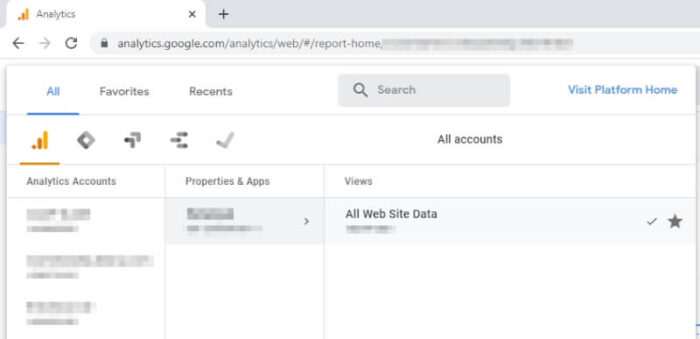
1. Go to Google Analytics and select the website you want to see.
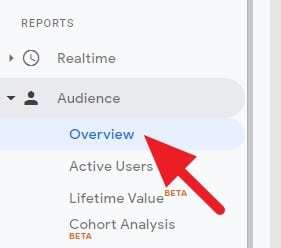
2. Now, select Audience > Overview.
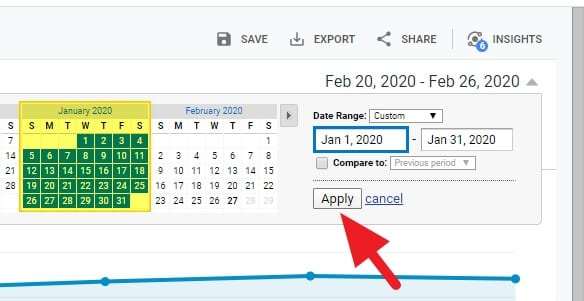
3. Click on the date period.
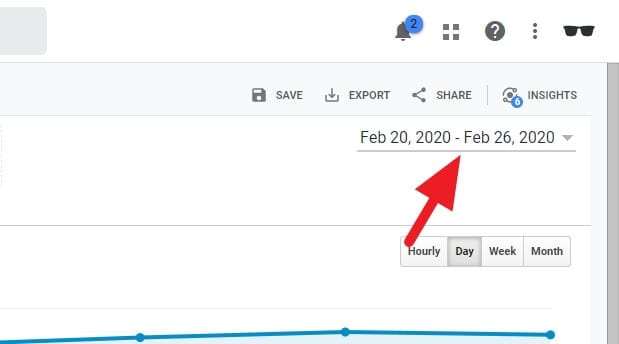
4. Select the range. For example, I select the entire days of January. Then, click Apply.
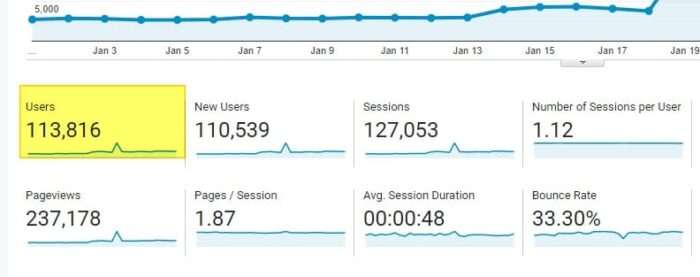
5. The numbers of visitors are represented under the Users section as marked below.
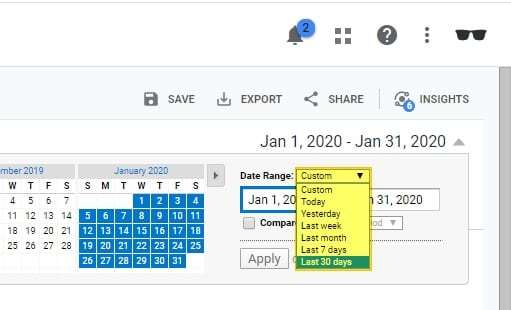
You can also select Last 30 Days on the Date Range options. It will give you the latest visitor data.
Additionally, there are tons of free and paid certifications for Google Analytics that could help you learn the tool at a much deeper level. But if you out of the budget, no worries, it can be learned by familiarizing yourself with the tool. So, keep using it until you master it.
Advanced Tips for Using Google Analytics Effectively
Once you’ve mastered the basics of tracking visitors, it’s time to explore advanced features that can provide deeper insights into your website’s performance. These tips will help you make the most of Google Analytics.
1. Set Up Custom Dashboards
Custom dashboards allow you to view the most relevant metrics at a glance. For instance, you can create a dashboard that tracks user behavior, traffic sources, and conversions all in one place. This saves time and ensures you focus on the data that matters most.
2. Use Segmentation for Better Insights
Segmenting your audience by factors like location, device type, or traffic source can reveal trends that might not be visible in aggregated data. For example, you might discover that mobile users have a higher bounce rate, indicating a need for mobile optimization.
3. Track Events and Goals
Define specific goals such as form submissions, downloads, or purchases. Use event tracking to monitor user interactions like button clicks or video plays. This helps measure how effectively your website drives desired actions.
4. Leverage Real-Time Reporting
Real-time reports are invaluable during campaigns or promotions. They provide instant feedback on user activity, allowing you to make quick adjustments if needed.
5. Explore User Flow Reports
User Flow reports visualize the paths visitors take through your site. Identifying where users drop off can help you optimize those pages to improve retention and conversions.
FAQ
How do I access historical data in Google Analytics?
To view historical data, select a custom date range in the Date Range selector at the top right corner of your dashboard. This allows you to compare performance across different periods.
What’s the difference between users and sessions?
Users represent unique visitors, while sessions count each visit to your site. A single user can have multiple sessions if they visit your site more than once.
Can I integrate Google Analytics with other tools?
Yes! Google Analytics integrates seamlessly with tools like Google Ads, Search Console, and third-party platforms such as CRM systems or email marketing tools for comprehensive data analysis.
How accurate is the data in Google Analytics?
While highly reliable, Google Analytics may occasionally underreport or overreport due to ad blockers or tracking issues. Regular audits and cross-referencing with other tools can help ensure accuracy.
Pro Tip: If you’re looking to deepen your knowledge of Google Analytics, consider free resources like Google Analytics Academy or certifications available on platforms like Skillshop.