
It would be unpleasant seeing your private files right on the Windows’ Start search feature. Someone might able to see that without having to know the exact directory.
Luckily, you can exclude certain folders from the Start search and regular search. This guide can teach you how to set it up, works on Windows 7, Windows 8, and Windows 10 — no third-party software required.
Here’s the guide!
Table of Contents
How to exclude folders from Windows search
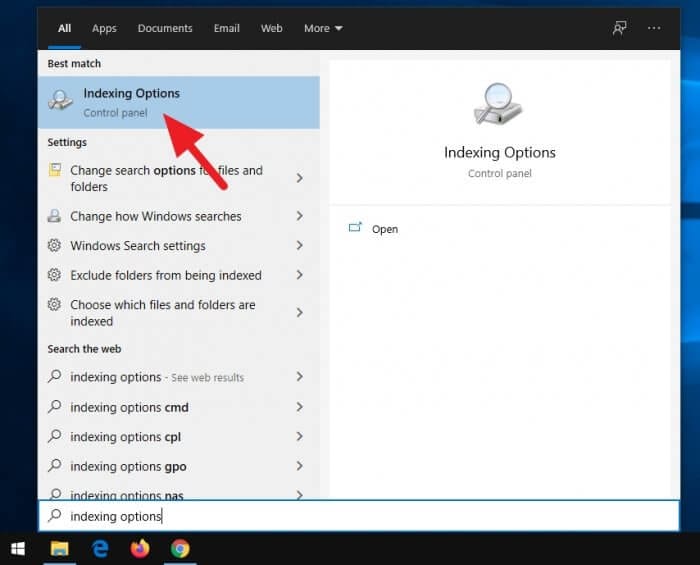
1. Go to the Start menu and find Indexing Options.
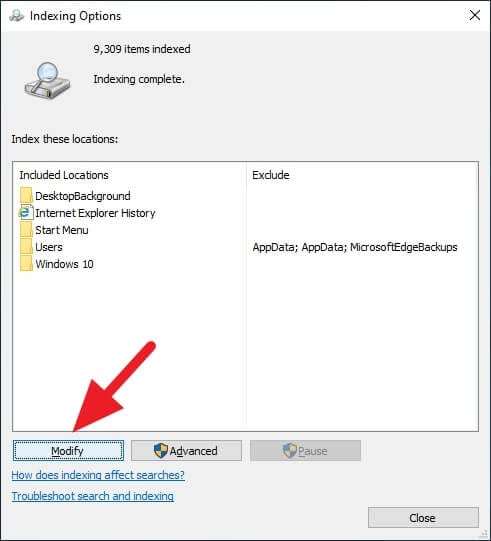
2. Click on Modify.
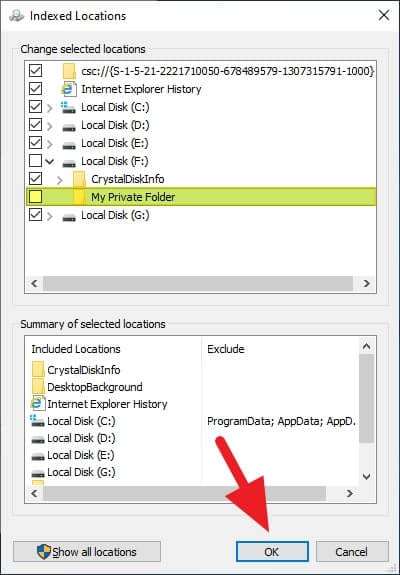
3. Uncheck all drives or folders you want to hide from the search index (for example, I exclude My Private Files folder). Then click OK.
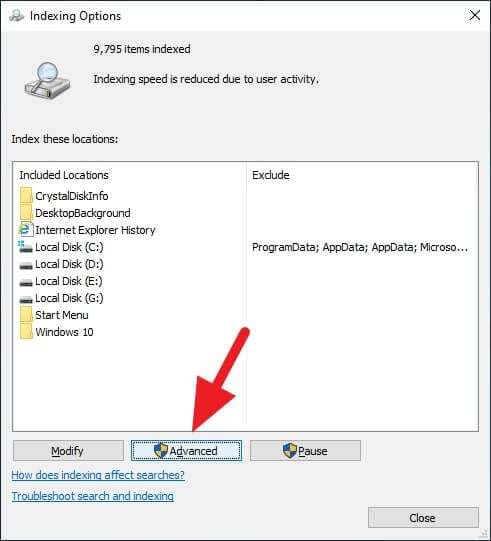
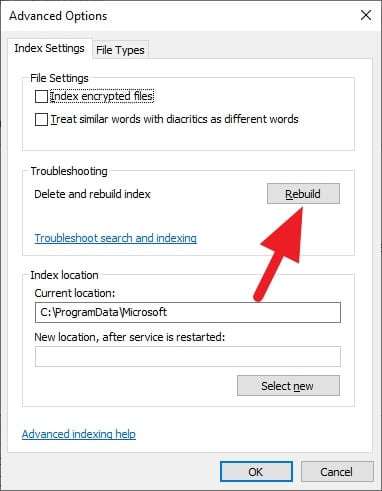
4. Now, go to Advanced.
5. Click Rebuild.
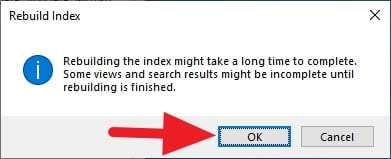
6. Confirm Yes.
7. The rebuilding index process has started in the background. You can Close the window.
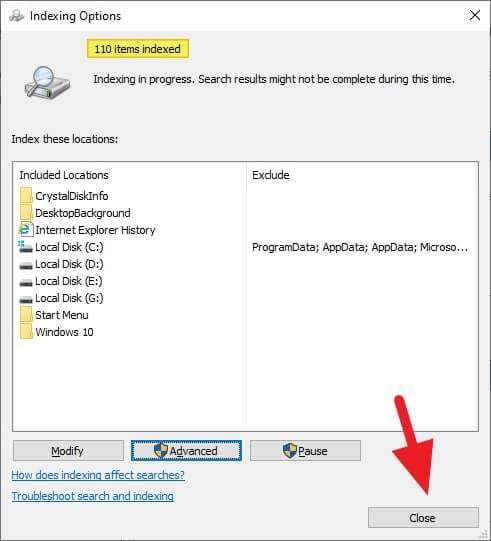
Now, people won’t accidentally found “My Private Files” folder when they are using Windows’ search feature. Please note that the rebuilding process can take hours to complete depending on the number of files have to be indexed.
Other alternatives to hide your private files
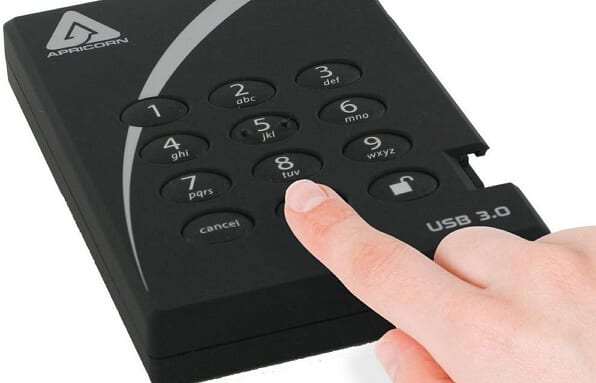
The first and most obvious is by storing the files or folders on an external hard drive. You can also add extra layers of protection by using encryption (password) software to prevent unauthorized access.
If you want more serious protection, consider using a password-protected hard drive to store your valuable files. Not only featured with strong encryption, a hard drive like this also comes with physical buttons to input the PIN. There is also a flash drive product like this if you prefer the cheaper option.
Additional Ways to Protect Your Files on Windows
Use Hidden Attributes for Quick Privacy
If you want a simple way to keep files out of sight, you can use the hidden attribute feature in Windows. Right-click on the file or folder, select Properties, and check the Hidden box under the General tab. While this method is not highly secure, it works well for casual privacy.
Encrypt Sensitive Files
For stronger protection, encrypt your files using tools like VeraCrypt or BitLocker. VeraCrypt allows you to create a secure virtual drive where all stored files are encrypted. BitLocker, available on Windows Pro editions, encrypts entire drives, ensuring that no one can access your data without the proper credentials.
Store Files on a Password-Protected External Drive
Consider using a password-protected external hard drive or USB flash drive. These devices often come with built-in encryption and physical PIN entry options for added security. Check out products like the Western Digital My Passport Ultra for reliable storage solutions.
FAQ
How can I hide folders in Windows without using Indexing Options?
You can hide folders by right-clicking on the folder, selecting Properties, and enabling the Hidden attribute. To make it invisible in File Explorer, go to View > Options > Change folder and search options, then uncheck Show hidden files, folders, and drives.
Can I exclude specific file types from search results?
Yes, you can exclude file types by using Advanced Query Syntax in the search bar. For example, to exclude .txt files, type NOT *.txt in the search box.
What is the best way to protect files from accidental deletion?
Use file permissions to restrict access. Right-click on the file or folder, go to Properties > Security, and edit permissions to allow only specific users to modify or delete the files.
Are there free tools for encrypting files?
Yes, tools like 7-Zip and VeraCrypt are excellent free options for encrypting individual files or creating secure containers for sensitive data.
By combining these methods, you can ensure your private files remain safe and accessible only to you!