Changing a photo resolution, or generally known as resizing is a way to reduce the overall pixels while maintaining the same content and aspect ratio. Furthermore, resizing can also lower the photo file size so it would be a perfect resolution for web or sending via email.
While there are a handful of photo editing programs both free and paid you can get, for a modification as simple as resizing, you can take the advantage of some first-party programs on your Windows device.
There are at least three programs that lets you perform resizing easily. Here are they.
#1 How to resize a picture using Paint
Microsoft Paint is a simple graphics editor that is bundled on all Windows releases. It can open the most popular image formats, such as JPEG, GIF, PNG, TIFF, and Windows bitmap.
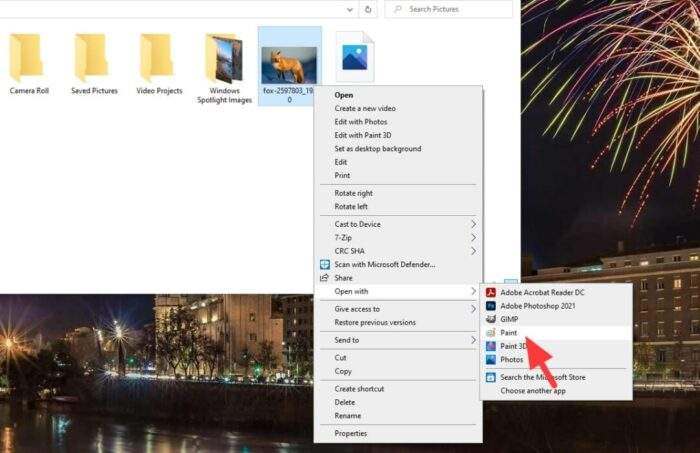
1. Right-click on a picture file, click Open with > Paint.
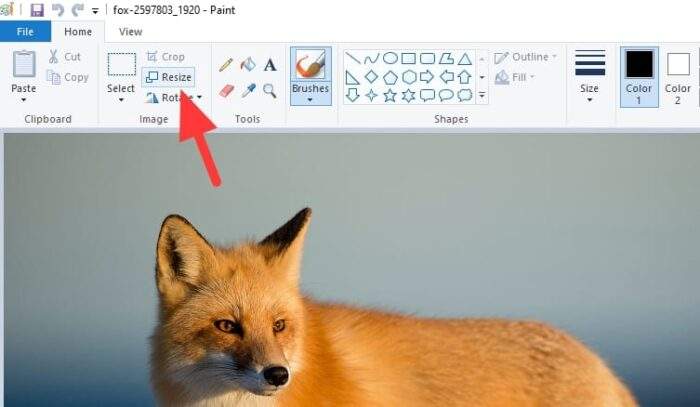
2. When Paint has launched with the picture, click Resize.
3. Make sure the Maintain aspect ratio box is ticked, then adjust the resolution based on ‘Percentage’ or ‘Pixels’ and click OK to apply.
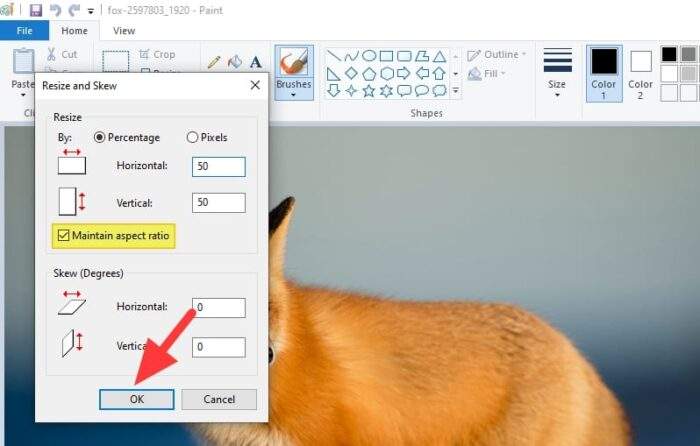
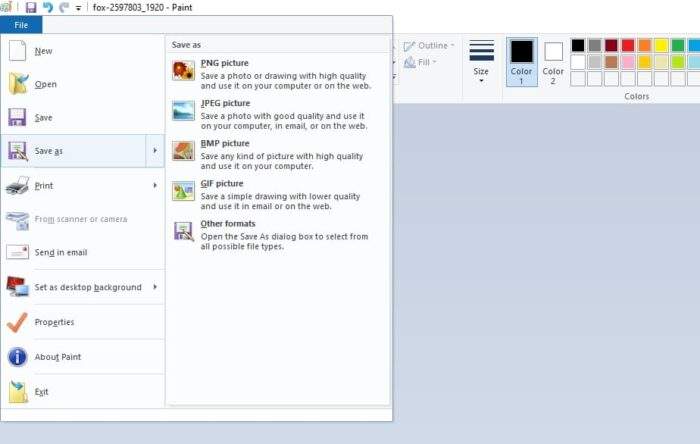
4. The picture has been resized. Go to File > Save as and select the format you want.
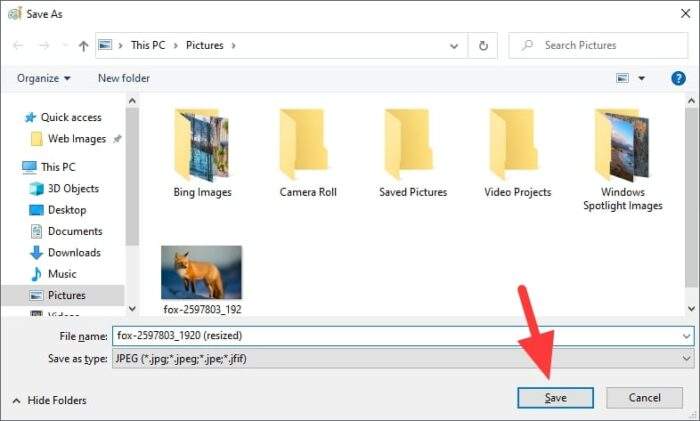
5. Select a directory and give it a new name, then click Save.
#2 Resizing a photo with Windows 10′ Photos
Photos is a new media viewer for Windows 10. Not only it can open a lot more formats, but it also powered by some extra editing features, including cropping, filter, and resizing.
1. Right-click on an image, click Open with > Photos.
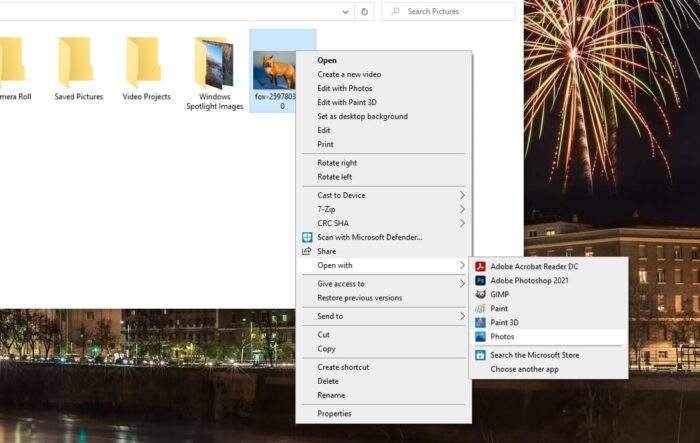
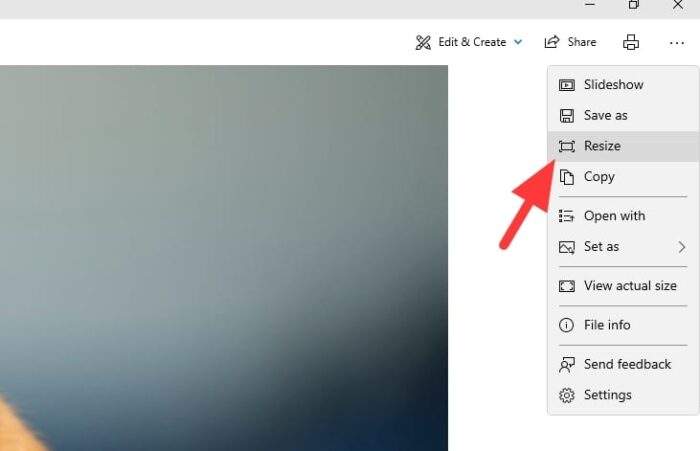
2. Click the upper-right menu, select Resize.
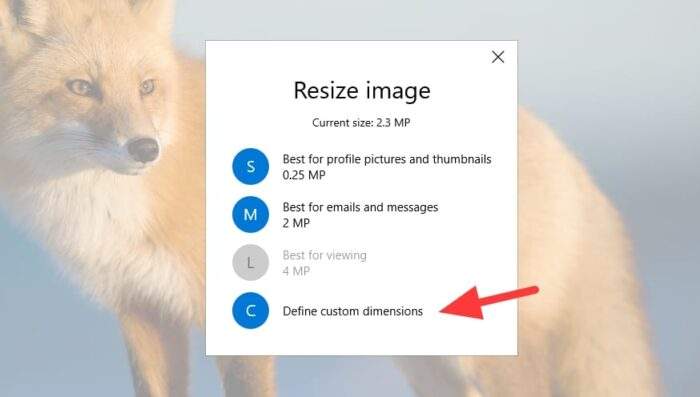
3. You can select predefined template size, but in this guide I’m going to use Define custom dimensions.
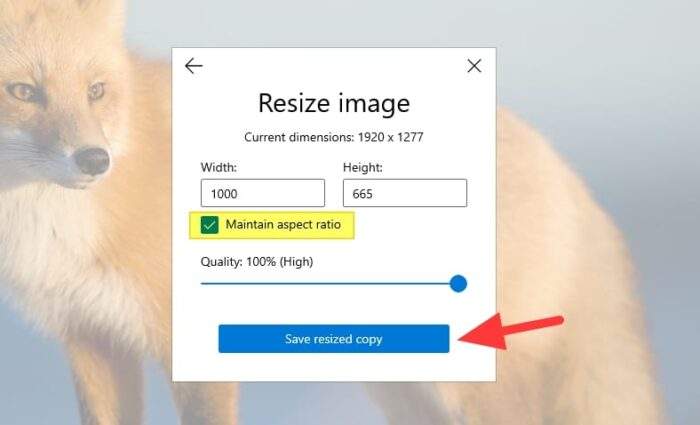
4. Tick the Maintain aspect ratio box, then adjust the dimension, and click Save resized copy.
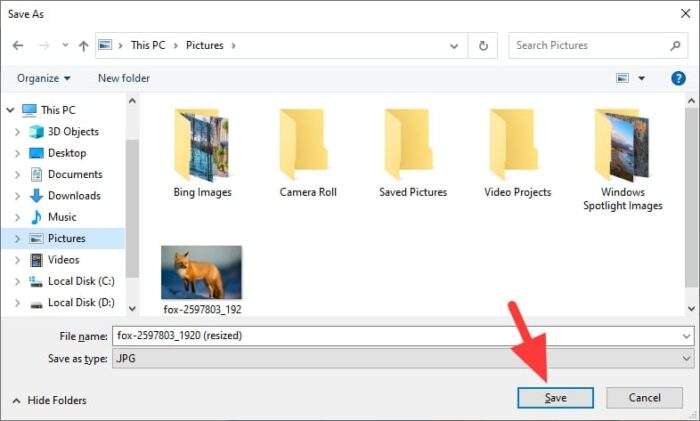
5. Select a saving directory, give the photo a new name, and hit Save.
#3 How to resize a 2D image with Paint 3D
Albeit has its name paired with the buzzword ‘3D’, Microsoft Paint 3D allows you to resize a 2D image effortlessly. The software is bundled in on Windows 10 since 2017, though it will quit after Build 21332. However, the app is still available via Microsoft Store for free for anyone interested in using it.
1. Right-click on an image, click Open with > Paint.
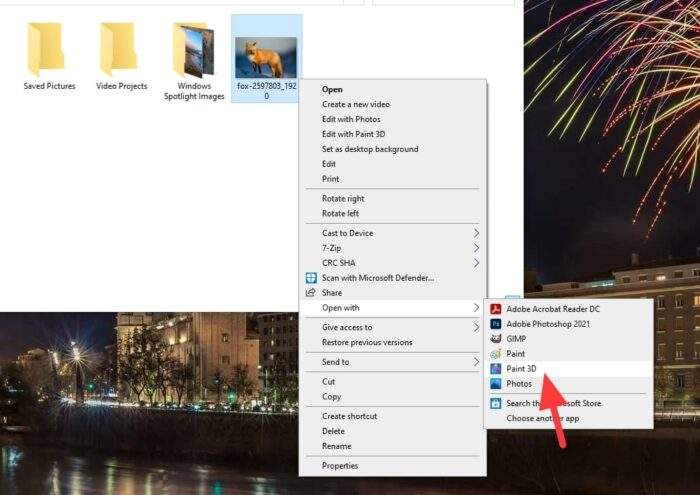
2. After Paint 3D launched, click Canvas.
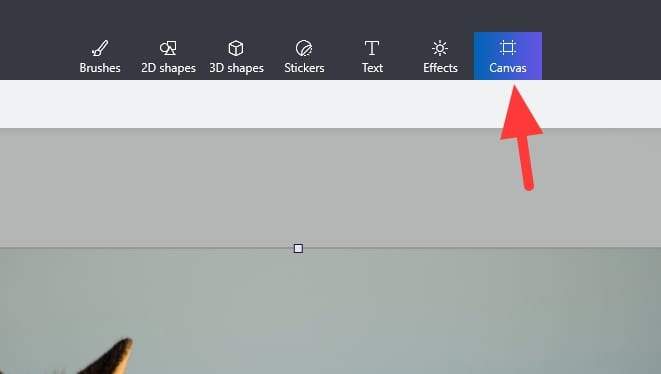
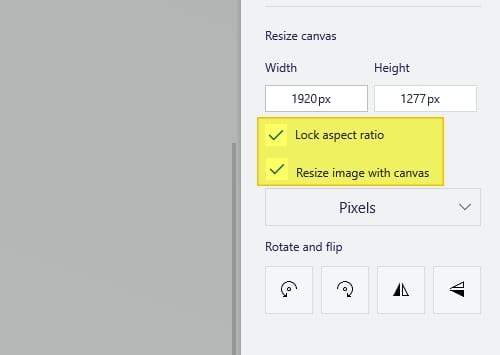
3. On the right bar, check the Lock aspect ratio and Resize image with canvas boxes. Then, you can resize the image based on ‘Pixels’ or ‘Percentage’.
4. When you finished with the resizing stuff, click Menu.
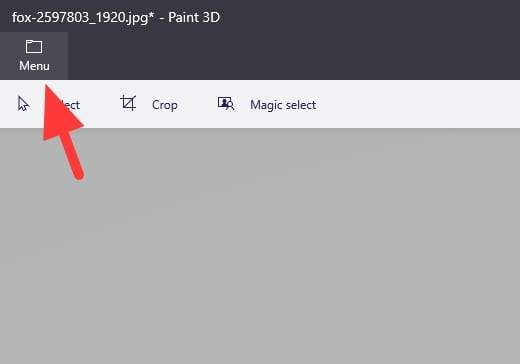
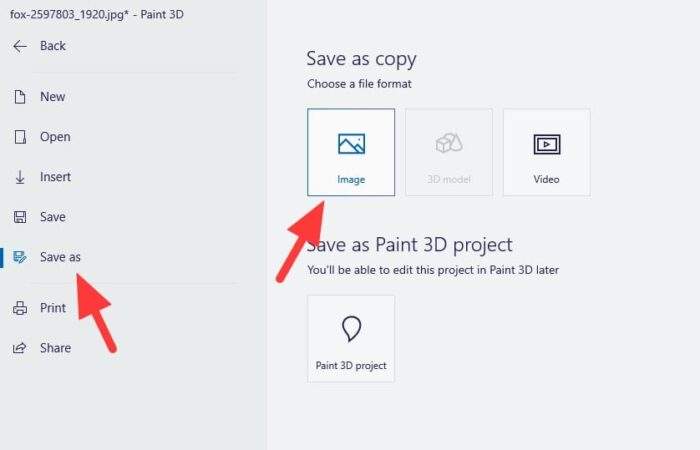
5. Head to Save as > Image.
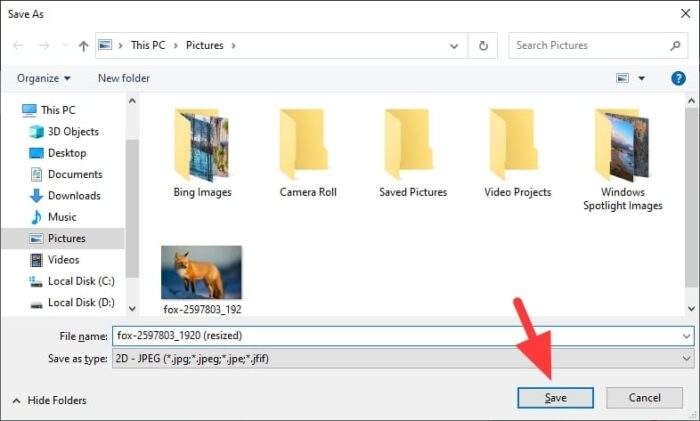
6. Select a directory, write a name for the image, and finally, hit Save.
While these programs are good for resizing a picture to a lower resolution, resizing to a higher resolution requires a specific tool to maintain the visual quality. Check out the 5 Best Free Tools to Upscale Image Without Losing Quality.
Bulk Resizing Made Easy with PowerToys
Need to resize multiple images at once? PowerToys Image Resizer is a fantastic tool for batch resizing on Windows. This utility integrates seamlessly into File Explorer, making it incredibly convenient for resizing large sets of images.
How to Use PowerToys for Bulk Resizing
- Install PowerToys: Download and install PowerToys from the official Microsoft website.
- Select Your Images: In File Explorer, highlight one or more images you want to resize.
- Right-Click and Resize: Right-click the selected files and choose Resize pictures from the context menu.
- Choose Dimensions: Select a predefined size or input custom dimensions. Ensure the aspect ratio is locked for proportional resizing.
- Save Your Files: The resized images will be saved in the same folder by default or in a new directory if specified.
This method is perfect for quickly resizing images without opening individual files, saving you time and effort.
Why Choose PowerToys?
PowerToys offers not only bulk resizing but also additional features like renaming files and maintaining image quality. Its user-friendly interface ensures that even beginners can navigate it with ease.
FAQ
How can I resize an image without losing quality?
To maintain quality, always use high-resolution originals and tools like Photoshop or ON1 Resize AI, which are designed to preserve details. For free alternatives, GIMP and XnResize offer excellent results.
What is the best format for resized images?
JPEG is ideal for photos due to its balance of quality and file size, while PNG works best for graphics with transparency or text.
Yes! Tools like Microsoft Photos or online editors like Canva allow you to resize images according to platform-specific dimensions, ensuring optimal display.
For more advanced tools, check out Amazon search results for image resizer software.