With dozens of incoming emails arrived at our inbox every day, the number of messages stored in a Gmail account may be concerning, especially if there are messages with massive attachments that consume the valuable storage space. Even after unsubscribing marketing emails, you probably want to delete them when they are no longer serve a purpose.
While there are some third-party tools offering a function to automatically clean older emails in Gmail, the service itself is actually can be worked out to have that specific function.
This hidden method is surprisingly worked really well and you don’t have to pay the premium Google Suite or Google One. All Gmail users can apply the trick easily.
Follow the guide(s) below to enable automatic deletion to older emails in Gmail.
How to enable auto-delete old emails in Gmail
1. Go to Gmail from your desktop device (not available on Gmail mobile).
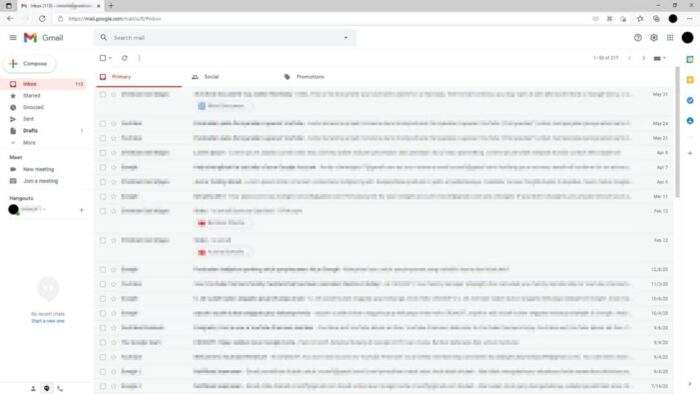
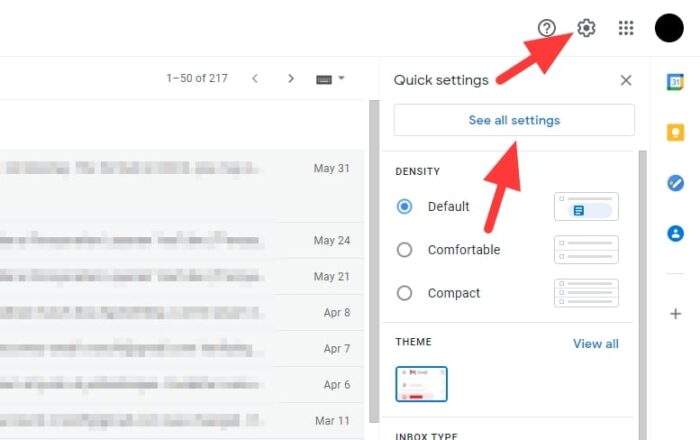
2. On the top right area, click Settings and hit See all settings.
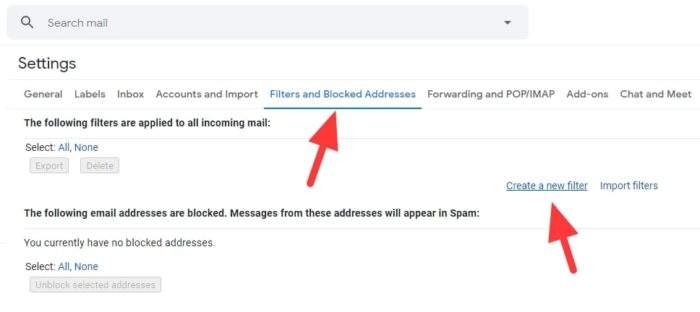
3. Now navigate to the Filters and Blocked Addresses tab menu, and click Create a new filter.
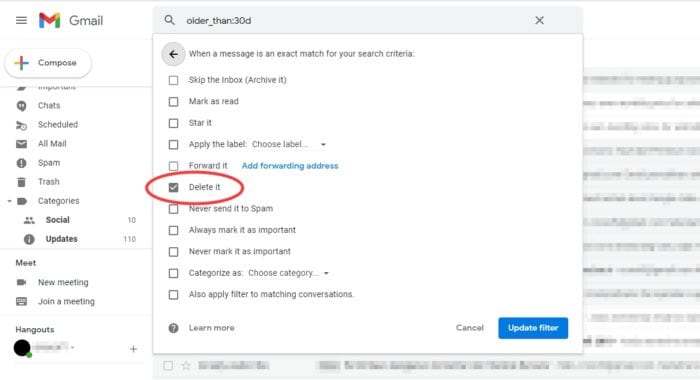
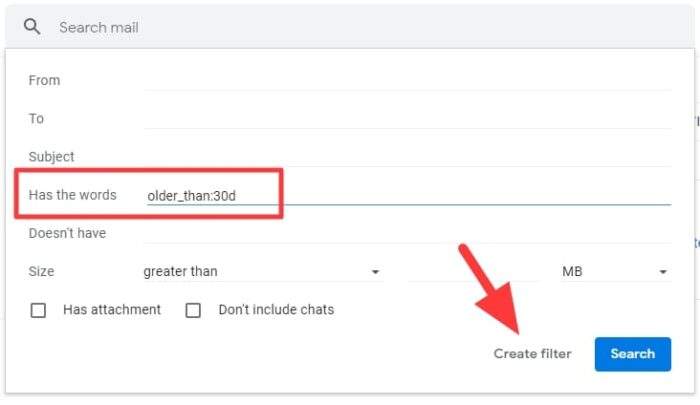
4. On the ‘Has the words’ column, type older_than:30d which means I want to delete emails older than 30 days. You may modify the time as you need. The letter ‘d’ stands for days, ‘m’ for months, and ‘y’ for years.
Then hit Create filter.
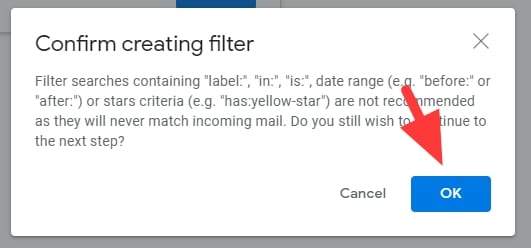
5. Confirm the setting, click OK.
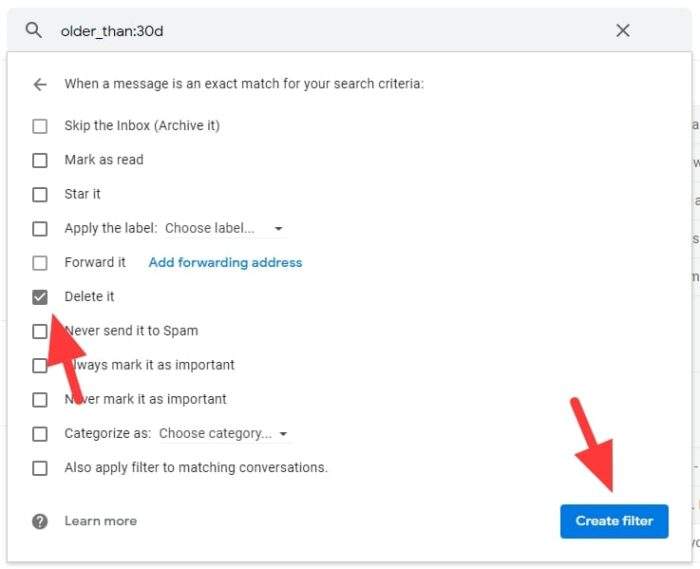
6. Now, tick the Delete option and click Create filter.
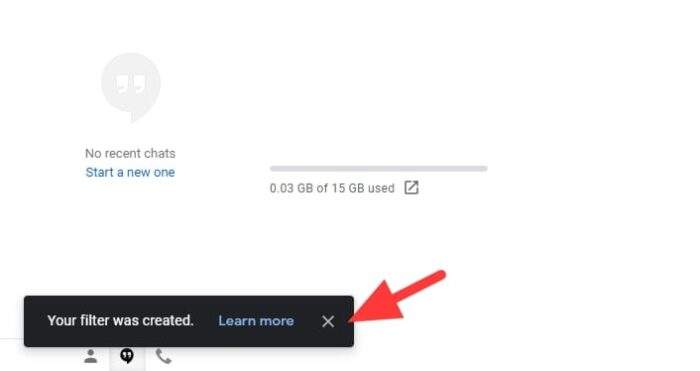
7. The ‘auto-delete old emails’ filter has been created and will work automatically.
Wait, why I still see older emails?
Yes, there is nothing wrong with that.
The setting is only applied to new incoming emails after the filter created. Existing emails, on the other hand, have to be deleted ‘manually’. But it’s not difficult at all. Just a few clicks and they are moved to the Trash folder.
Check out the guide below
How to delete all old emails in Gmail
1. On the Gmail search bar, type a search parameter of old emails and press Enter. For example, older_than:30d means emails that older than 30 days. You may change the number and parameters as you wish.
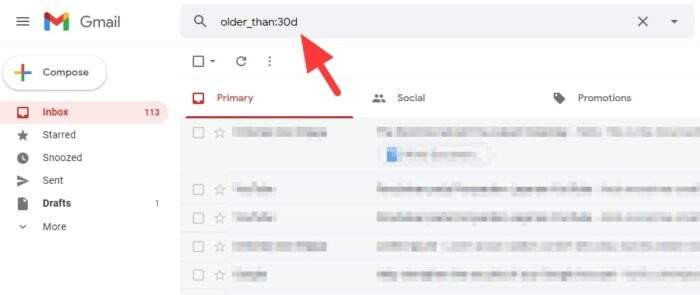
2. Then Select all results.
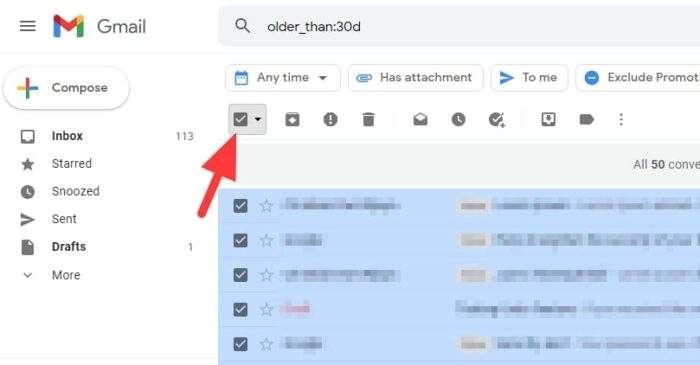
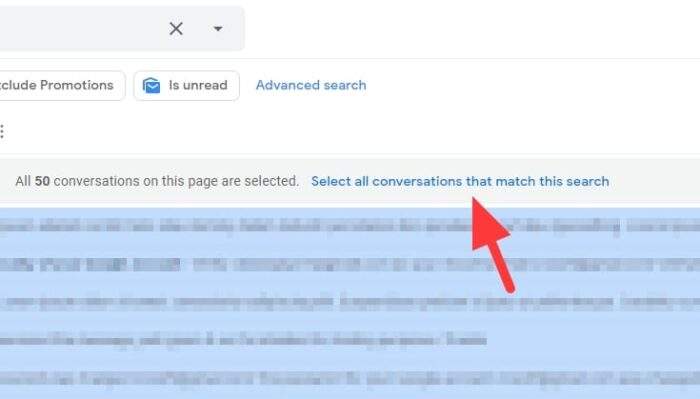
3. Since it only selects the results on that particular page, you need to Select all conversations that match this search for faster selection.
4. Now click the Delete (trash) icon to delete them.
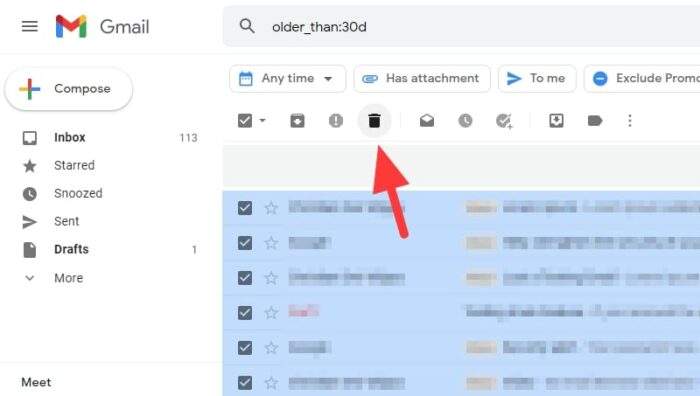
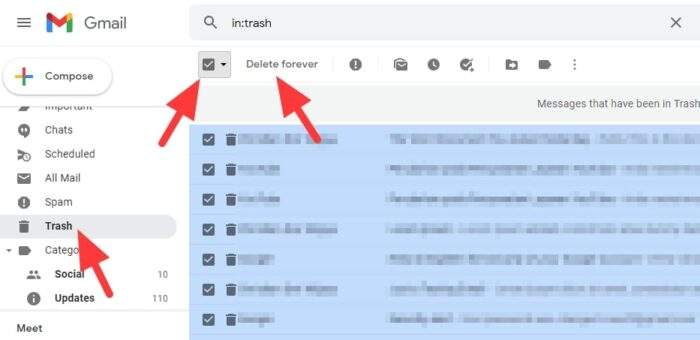
5. If necessary, you may head to the Trash folder, select all trashed emails, and click Delete forever to purge immediately.
If your inbox consuming too much valuable space, consider upgrading the account storage or find large emails in Gmail and delete them for good.
Additional Tips for Managing Gmail Storage
Identify and Remove Large Attachments
Attachments often consume a significant portion of your Gmail storage. To locate emails with large attachments, type size:10M (or adjust the size threshold) in the search bar. This will display emails larger than 10MB. Once identified, you can delete these emails or download the attachments to an external storage service like Google Drive or Dropbox before removal.
Regularly Empty Spam and Trash Folders
Don’t forget that emails in your Spam and Trash folders still occupy storage space. Make it a habit to periodically clear these folders. Navigate to each folder and select Empty Folder to free up space instantly.
Leverage Google One Storage Manager
For a comprehensive view of your storage usage across Gmail, Google Drive, and Google Photos, use the Google One Storage Manager. This tool helps you identify large files, duplicate photos, or unnecessary emails that can be deleted to optimize your account storage.
FAQ
Can I recover emails deleted using filters?
Yes, emails deleted via filters are moved to the Trash folder, where they remain for 30 days before permanent deletion. You can recover them within this period by navigating to Trash and selecting the desired emails to restore.
How do I prevent important emails from being auto-deleted?
When creating filters, add specific exclusions in the “Doesn’t have” field. For example, include keywords or email addresses you want to protect from deletion.
Are there tools to automate email cleanup further?
Yes, third-party tools like Clean Email or Mailstrom offer advanced automation features for organizing and deleting emails based on various criteria.
By combining Gmail’s built-in tools with these strategies, you can maintain a clutter-free inbox effortlessly!